
























What is kinesiology tape?
What is Kinesiology Tape? This is a question which we’ve heard COUNTLESS times. So we’re here to tell you – what is, where it came from, and how to tell a GREAT K Tape from one that will let you down.
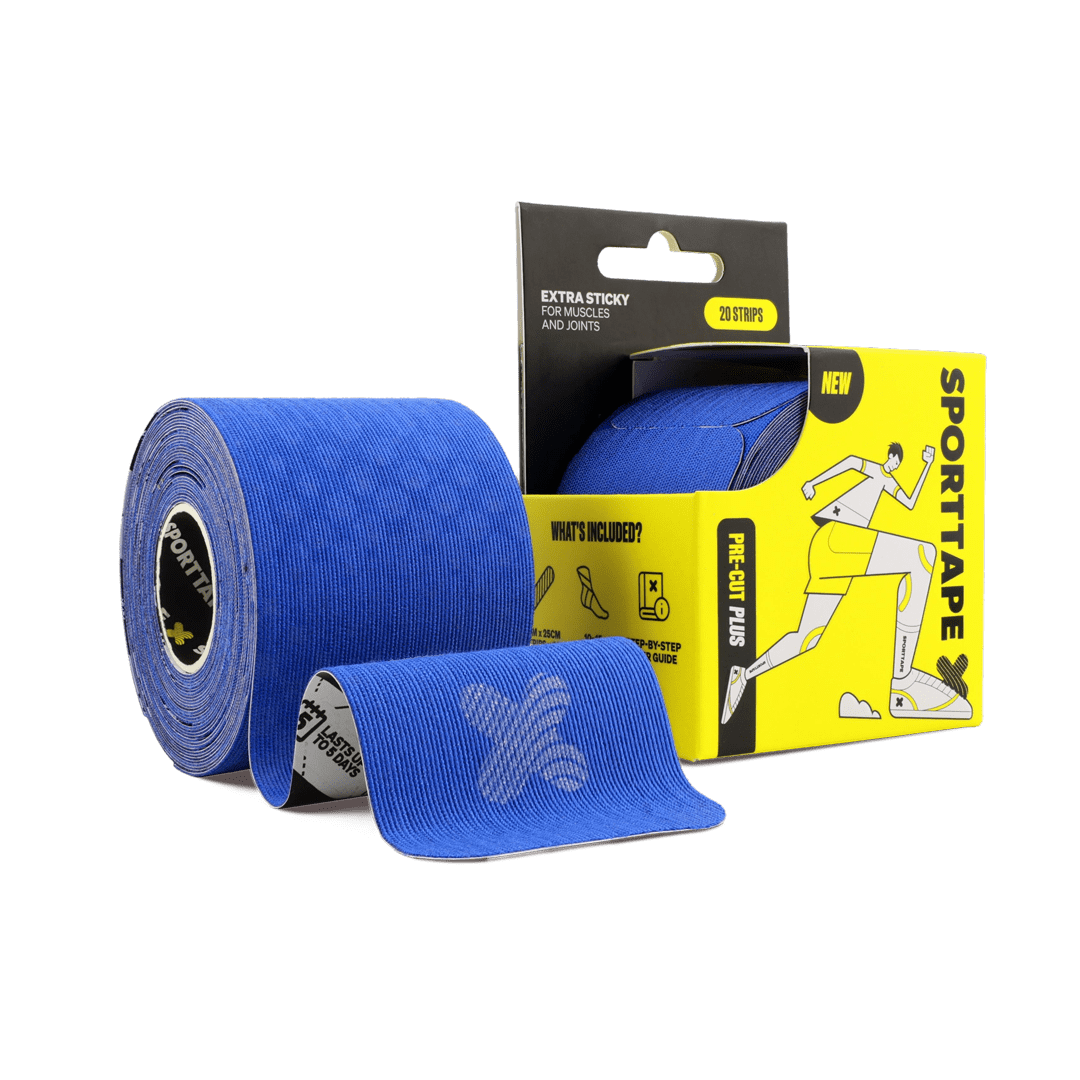
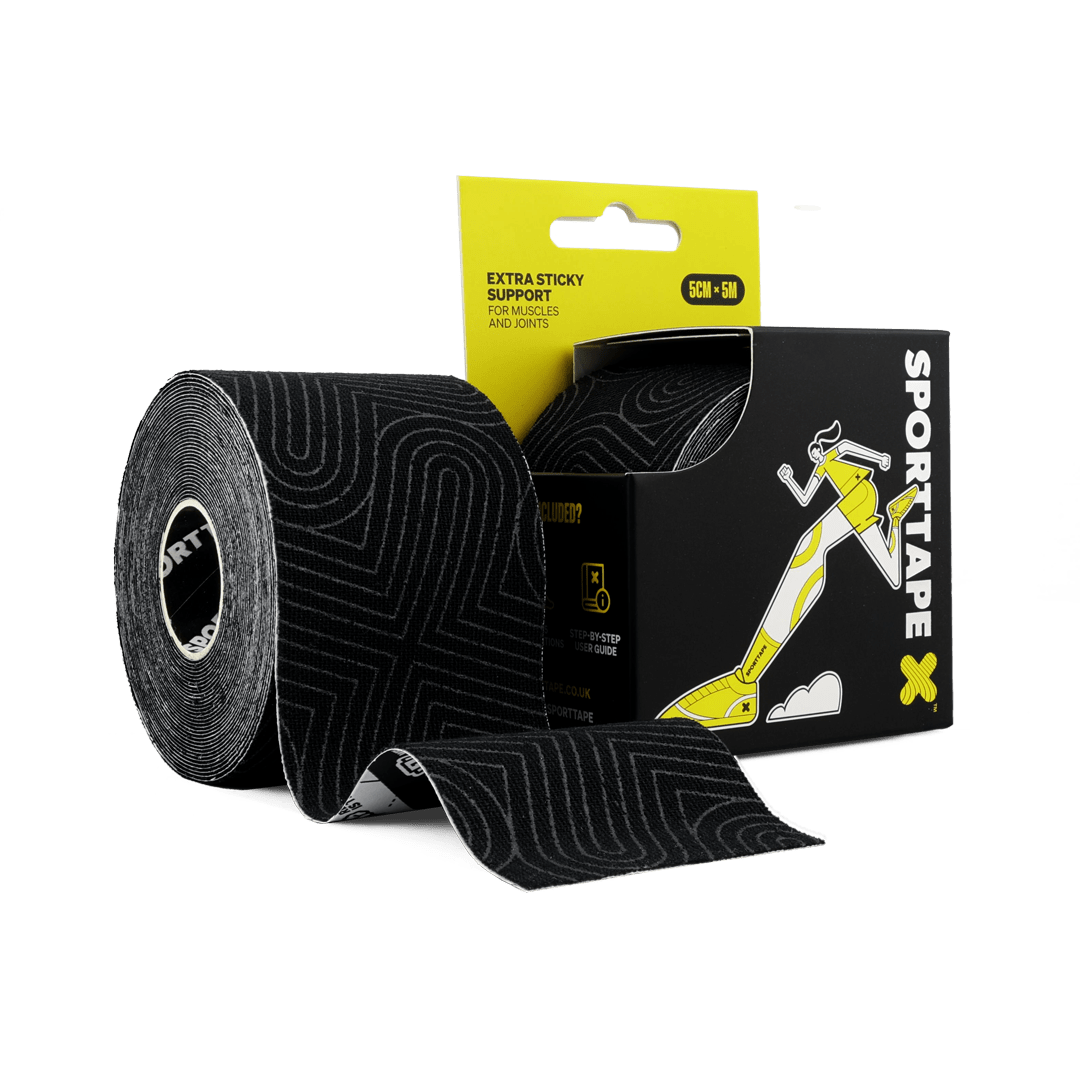
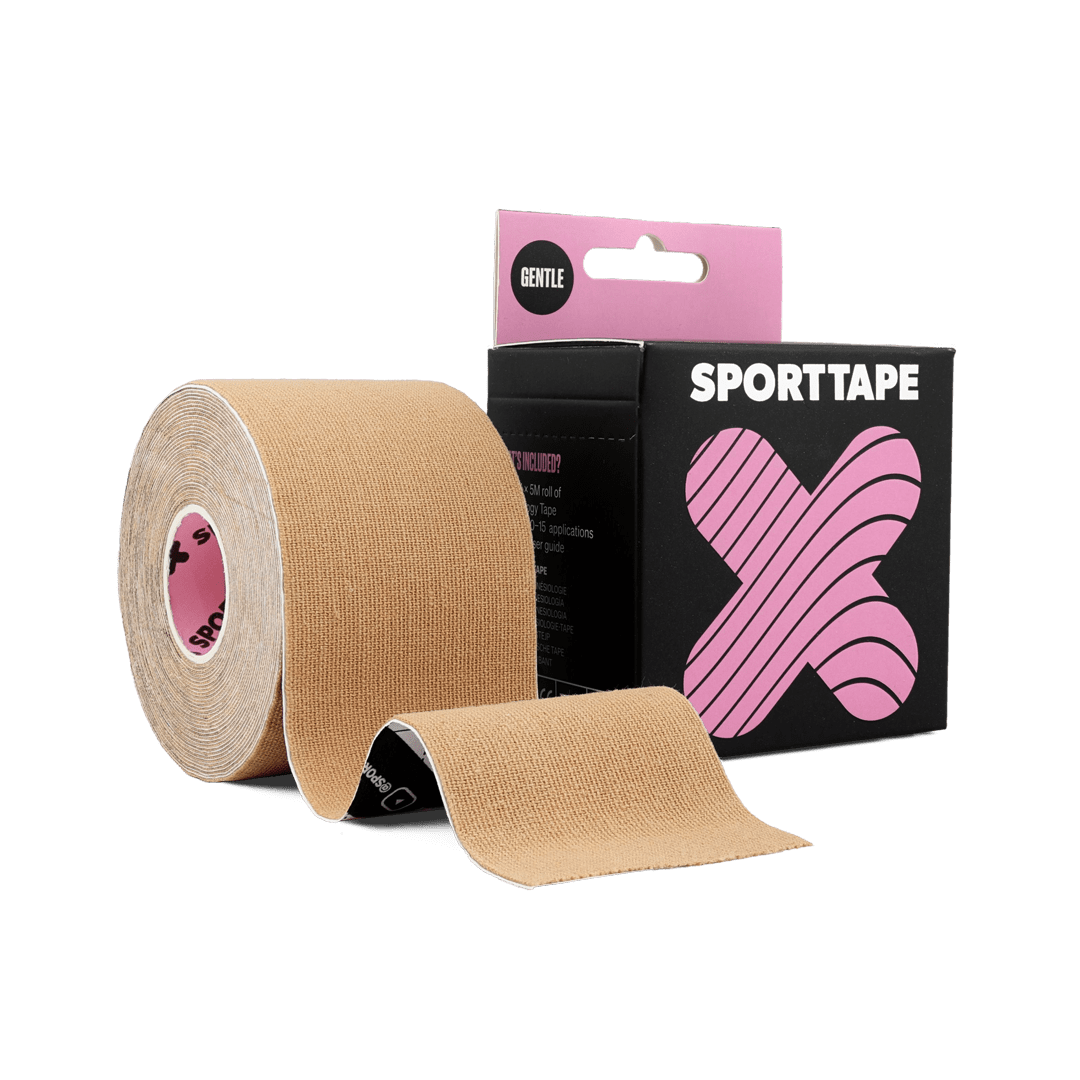
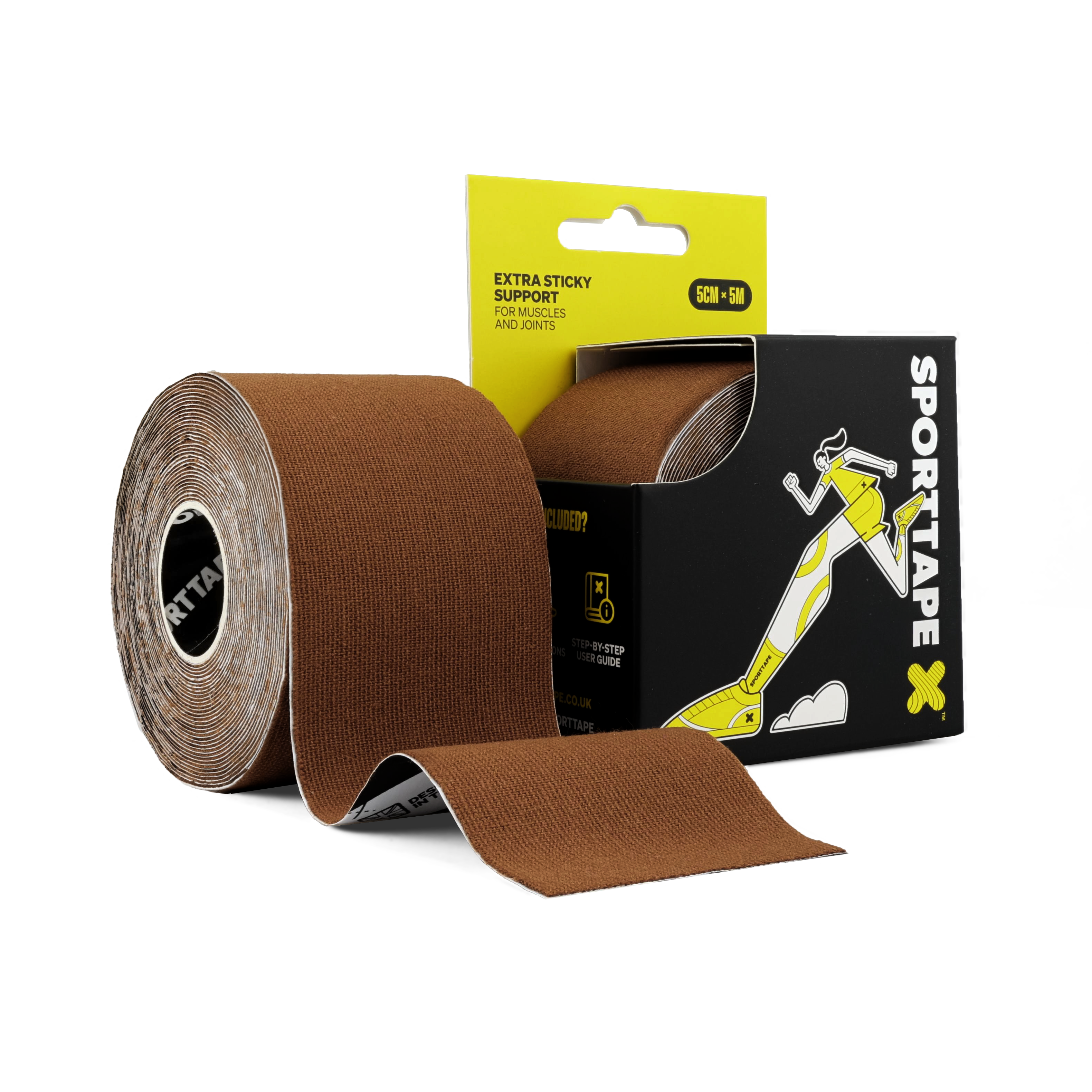
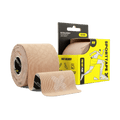
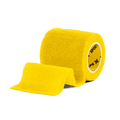
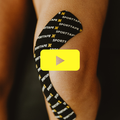
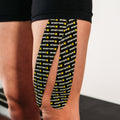
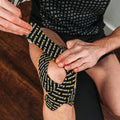
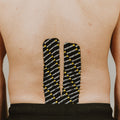
KINESIOLOGY TAPE is a stretchy, cotton (or synthetic) tape designed to mimic the elasticity of the skin. It’s used by athletes and therapists worldwide to provide proprioceptive feedback, pain relief and support to joints, muscles and tendons.
This blog will explain exactly what K Tape is, where it came from, and how to tell a GREAT K Tape from one that will let you down. Read on to become a K Tape expert…
WHERE DID IT COME FROM?
Japanese Chiropractor Kenzo Kase invented Kinesiology Tape in 1970 as an alternative to athletic tapes that were traditionally rigid and restricted movement. K Tape rewrote the book on athletic taping by allowing pain relief without restricting movement.
It took nearly 40 years, but K Tape was catapulted into the spotlight at the Beijing Olympics after being worn by the USA Volleyball team.
Whilst a lot of Kase’s original theories around K Tape have now been debunked, K Tape has become an essential tool in every therapists’ arsenal. Learn about HOW KINESIOLOGY TAPE WORKS on our blog, HERE.
WHAT MAKES A GOOD KINESIOLOGY TAPE
Not all tapes are created equal. There are 4 CORE ITEMS that separate GREAT tapes from ones that are best left on the shelf.
THE FABRIC
A good fabric means a more durable tape and applications that are going to last longer and perform more effectively. Look for a tape with a high thread count.
THE ADHESION
You can’t win with a tape that won’t stick.
A GREAT tape will use a medical-grade, hypoallergenic glue, and will be WATER-RESISTANT within 30 minutes of application. Also look out for a pronounced WAVE PATTERN. This wave pattern helps the effect of the tape, so is VITAL.
THE STRETCH
It’s a fact that LESS STRETCH = MORE RESTRICTION. K Tapes should allow freedom, without limiting your range of movement.
The PERFECT amount of stretch is around 160%. That’s how much your skin stretches, and the closer you can match the profile of your skin, the better and more comfortable your application will be.
THE PRICE
The cost of a tape is not always a clear indication of QUALITY.
If you spend less than £5 on a small roll of K Tape, you’ve either got LESS TAPE than you bargained for, or a tape that’s going to FAIL the first 3 tests in this list. You’ll SAVE in the long run by buying a tape that ticks all the boxes.
Bonus points if your tape offers a GUARANTEE, as if for any reason you’re not happy, you can always get your money back!
PACKAGING
Check the backing paper on your K Tape. Is it just blue lines or squares? Is the spool plain with no sign of branding?
That probably means that the tape has come straight from the factory to you. No bespoke materials, no change to the glue, and NO QUALITY CONTROL. Find a branded backing paper and branded spool, at least then you know your tape is from a factory that uses HIGH-QUALITY machinery and the latest technology.
WHAT MAKES SPORTTAPE DIFFERENT?
SPORTTAPE doesn’t just tick all the boxes. It goes above and beyond.
Every detail is considered from an athlete’s perspective. If it’s not needed, it’s not included. If it is, we’re going to make damn sure it’s the best.
Plus, there’s more.
What else is your K Tape offering you? Not all tapes are created equal. Not all companies are either. You want a tape that you can trust time and time again, and a company that will help you get the most from that tape.
USER GUIDE WITH EVERY ROLL
- Handling tips, the most common applications and more
FREE Taping Videos
- How to apply Kinesiology Tape for 30+ injuries. Click HERE to check them out.
FREE Ebooks
- Detailed taping guides to talk you through the most common applications
Taping Education & CPD
- Our SPORTTAPE Academy courses are designed and taught by elite Physiotherapists at the top of their game. Become a more effective, faster taper, and earn CPD hours at the same time.
Instant Access to Experts
Your questions answered by some of the UK’s leading Physios. Contact us, or follow our YOUTUBE CHANNEL for access to even more taping tips.
Featured Products